
 Gloria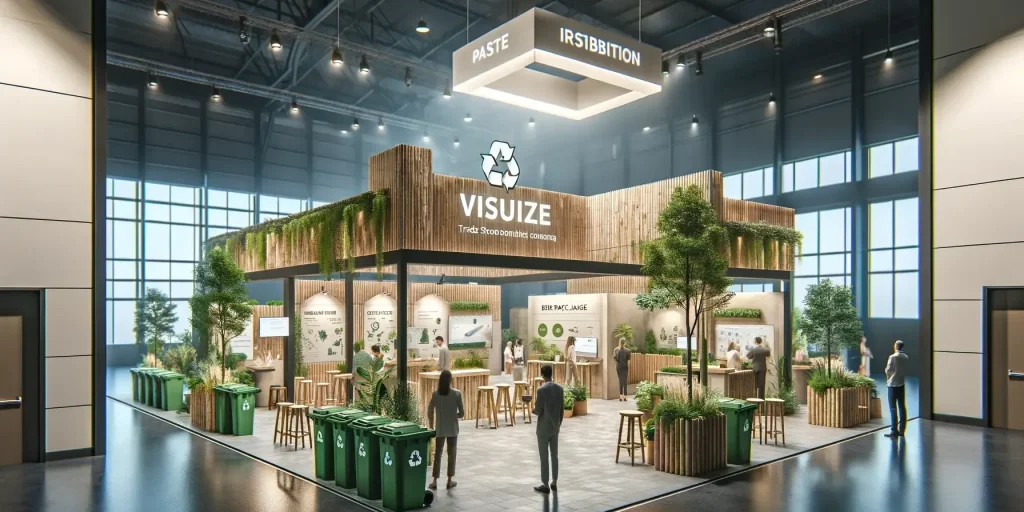
Let’s be honest. Trade shows can feel… well, wasteful. Mountains of single-use brochures, giant structures built for three days then trashed, and lighting that could power a small town. It’s a paradox, really. You’re there to showcase innovation, yet the footprint can be anything but forward-thinking.
But here’s the deal. That’s changing. Fast. Modern exhibitors are realizing that sustainability isn’t just a nice-to-have; it’s a powerful brand statement, a cost-saver in disguise, and frankly, what more attendees expect. Going green doesn’t mean a boring booth. It means a smarter, more authentic one. Let’s dive into how you can make the shift.
Rethinking Your Exhibit’s Physical Core
It all starts with what you build. The old model was “custom, crash, landfill.” The new model? Think circular.
Modular & Reusable Display Systems
Invest in a modular display system. These are like high-tech LEGO sets—configurable for different shows, easy to transport, and built to last for years. You know, instead of a one-shot wonder. Materials matter, too. Look for frames made from recycled aluminum, fabrics from recycled PET bottles (which are surprisingly sleek), and graphics printed with water-based, non-toxic inks.
The Rental Revolution
Don’t own, rent. Seriously. For many exhibitors, especially those doing multiple shows, renting a booth from a reputable vendor is a game-changer. They handle storage, maintenance, and updates. You get a fresh, professional look every time without the physical waste or the storage unit fees. It’s the epitome of the sharing economy applied to trade shows.
Cutting the Clutter: Swag, Giveaways, and Print Materials
This is the low-hanging fruit. And a major pain point for attendees drowning in “stuff.”
Ditch the disposable swag. That cheap USB drive or stress ball? It’s probably destined for a drawer, then a landfill. Opt for useful, high-quality items people actually want: a nice bamboo utensil set, a durable tote made from recycled materials, or seeds for native plants. Better yet, go digital.
Use QR codes linked to a digital brochure or a dedicated show landing page. Not only does this save trees and shipping weight, but you also get trackable data on who’s interested. Win-win.
If you must print, do it responsibly. Use 100% post-consumer recycled paper and soy-based inks. And print less. A simple, beautiful leave-behind is more effective than a 50-page catalog that gets recycled on the show floor.
Operations & Energy: The Invisible Green
Sustainability isn’t just about stuff. It’s about what you do. Your operational choices have a massive impact.
| Practice | Old Way | Green Alternative | Impact |
| Lighting | Incandescent or halogen spots | LED fixtures exclusively | Uses up to 80% less energy, emits less heat. |
| Power Management | Everything on, all the time | Smart power strips, timers for off-hours | Reduces phantom load and total energy draw. |
| Travel & Shipping | Multiple individual flights, max freight | Consolidated shipping, rail where possible, carbon offset programs | Cuts transportation emissions significantly. |
| Booth Cleaning | Harsh chemical cleaners | Non-toxic, biodegradable cleaning supplies | Healthier for staff and the venue environment. |
Also, think about your team. Encourage them to bring reusable water bottles and coffee cups. Provide plant-based catering options. These small actions add up, creating a culture of mindfulness that extends beyond the booth walls.
Communication & The Story You Tell
Here’s a crucial part: don’t be shy about your efforts. This is your story. Weave your sustainable practices into your messaging. But—and this is key—be specific and authentic. Avoid vague “greenwashing.”
Instead of just saying “We’re green,” have a small sign that says: “This booth structure is 95% recycled aluminum and used at 5 shows this year.” Or, “Our tote bags are made from 8 recycled plastic bottles each.” That’s tangible. It connects.
Train your staff to speak to these choices. It’s a fantastic conversation starter that aligns with the values of a growing segment of B2B buyers.
Making It Practical: A Simple Action Plan
Feeling overwhelmed? Start small. Pick one or two areas from this list for your next show. Honestly, that’s how it begins. Here’s a quick-start roadmap:
- Audit your last exhibit. What was thrown away? What cost the most to ship? Identify your biggest waste source.
- Choose your “green pillar.” Is it zero-print? A rented modular booth? Sustainable swag? Focus your initial efforts.
- Partner with the right vendors. Ask your exhibit house, printer, and freight company about their sustainability policies. Your choices push the industry forward.
- Measure and share. Calculate what you saved—in paper, energy, or waste. Share that internally and in your post-show report. It builds momentum.
It’s a journey, not a flip you switch. You might have a year where your big win is just switching to LED lighting and digital brochures. That’s still a massive win.
The Bigger Picture: Why This All Connects
In the end, sustainable exhibiting is about respect. Respect for your audience, who are increasingly making values-based decisions. Respect for your budget, through efficiency and reuse. And, of course, respect for the shared environment we all operate in.
The trade show floor is a microcosm of your brand’s world. What does yours say? That you’re temporary, resource-intensive, and… forgettable? Or that you’re thoughtful, resilient, and built for the future? The choice, as they say, is now in your hands. And the best part is, it’s a choice that tends to look good on everyone.


